

CONFERENCE
The Art of Gardens, or the Art of Thinking (About Art) Differently by Guy Tortosa
Thursday, September 17, 7 p.m.
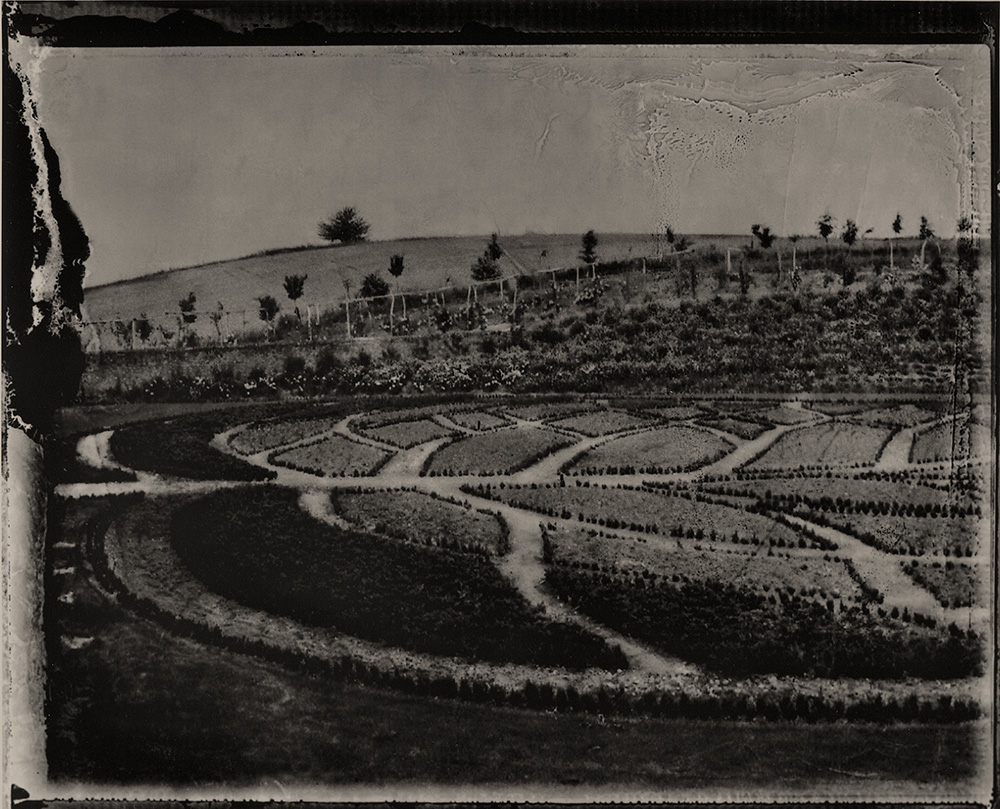
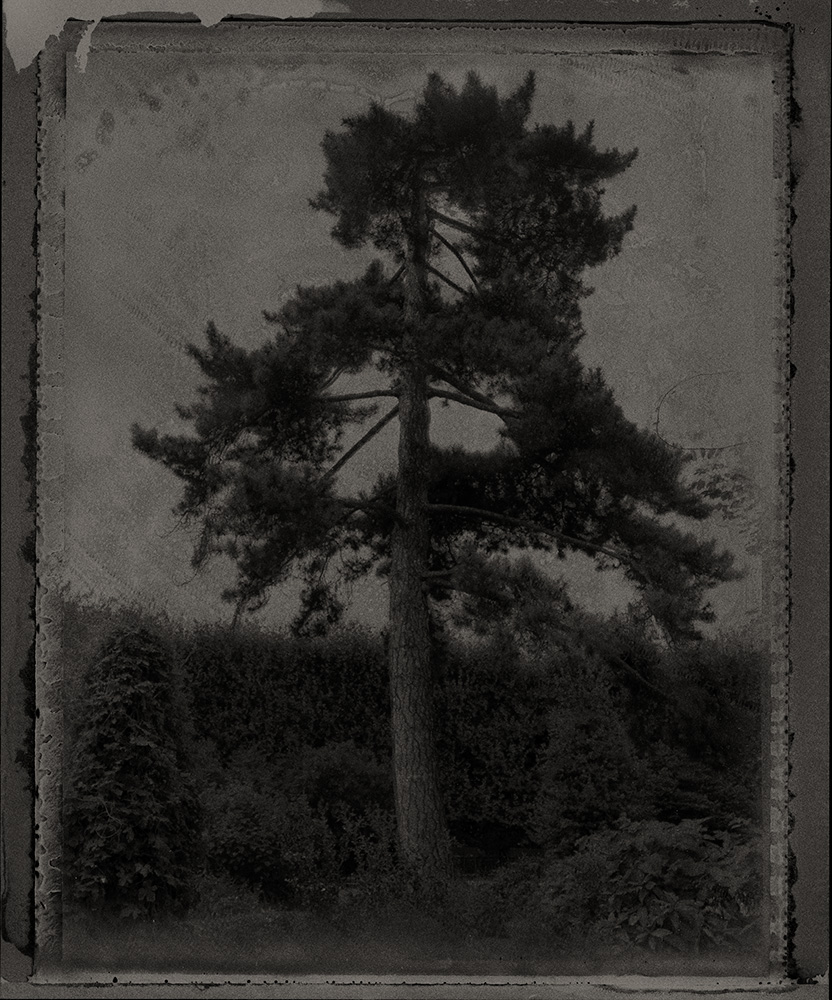
Traditionally regarded as a minor art form in the history of the arts—belonging to both popular and scholarly practices—the art of gardens is one in which, since time immemorial, all the arts and all the senses have come together in synthesis. In gardens, indeed, there is no room for hierarchies among taste, smell, hearing, touch, and sight. The body and its surroundings—from the earthly habitat all the way to the starry sky—form a single space of experience that defies distinction. In the art of gardens, the model need not die to exist as a representation. The thing can be both present and represented. As in a landscape, the viewer—who is also a walker—is within the picture. As an art of the open—giving rise to a redefinition or de-definition of the “ready-made” through the lens, for example, of the “planetary garden” conceptualized by Gilles Clément—the art (or non-art) of gardens presents both still and moving images, drawings, and even photographs, a significant proportion of which are produced without human intervention, by “natural genius” (the elements, animals, photosynthesis…)
By presenting examples of works drawn from creators—whether intentional or unintentional, human or non-human—I would like to share my insights and, with the help of a few reproductions, invite us to ask ourselves: is another kind of art possible?
Guy Tortosa is an art critic and curator. A specialist in public art and garden art, he has directed, among other institutions, the FRAC des Pays de la Loire and the International Center for Art and Landscape in Vassivère, Limousin, and has mentored, in their early careers, ecology-focused artists and garden designers such as Lothar Baumgarten, Michel Blazy, Thierry Boutonnier, Gilles Clément, Suzanne Husky, Fabrice Hyber, and Erik Samakh, and has similarly supported visual artists such as Dove Allouche, Thierry Fontaine, Valérie Jouve, Louise Lawler, and Jean-Luc Moulène. In 2023, he coordinated a special issue titled “Artistic Creation and Ecological Emergency” for the journal Culture & Recherche.